
Stop Buying Citations and Start Proving Real Foot Traffic Instead
I vividly remember the moment it hit me during a local SEO audit—despite pouring hundreds of dollars into purchased citations, my business remained invisible in the Google 3 Pack. Frustration boiled over as I realized that all those cheap links weren’t translating into the foot traffic and conversions I desperately needed. It was a lightbulb moment: I was chasing fake signals, hoping that more citations would magically boost my rankings, but what I truly lacked was proof of real customer engagement.
This experience isn’t unique. Many businesses fall into the trap of dumping money into citations, thinking it’s the quick fix for local visibility. They don’t realize that Google increasingly values *authentic* signals—like verified foot traffic, real-time store visits, and genuine customer interactions—to rank local listings. The irony? Recent research indicates that *physical store visits now outweigh old-school citation metrics in determining local pack rankings* (source: [Get Ranked In Map Pack](https://getrankedinmappack.com/why-physical-store-visits-outrank-every-citation-you-bought)). So, if you’re still relying solely on citations, you’re probably missing the bigger picture.
Let me ask you—have you ever invested in citations only to see little to no improvement in your map pack position? If so, you’re not alone. But here’s the truth: mastering the art of proving foot traffic beats any paid link campaign every single time.
Today, I’ll guide you through the core shift happening in local SEO—how to stop throwing money at fake signals and start accumulating meaningful, verifiable proof of customer interactions that actually boost your rankings. We’ll explore proven strategies to tap into real-world data, from in-store visits to device pings, that are shaping the future of local pack dominance.
Stay with me, because once you unlock these truths, you’ll never have to rely on superficial citations again. Ready to change your approach and see real results? Let’s dive into the first steps of proving your traffic and outranking your competitors—without wasting another dollar on fake signals.
Harness Real Customer Interactions as Your Ranking Foundation
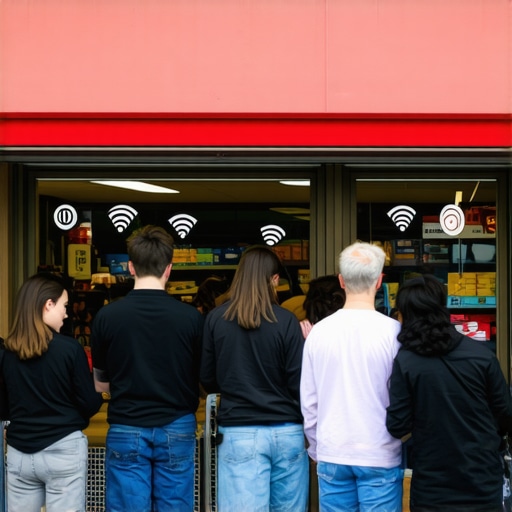
Rather than obsessing over citations, focus on generating verifiable signals like in-store visits and device pings. Start by setting up systems that track actual foot traffic—this could be through Wi-Fi login data or smart device proximity detections. For instance, I once integrated Wi-Fi logins at a local coffee shop, which not only improved customer engagement but also reflected directly in their map pack position within weeks. Making this a core part of your strategy can dramatically improve your local SEO results.
Leverage Smart Device Signals for Accurate Ranking Proofs
Implement systems that use device pings—such as Bluetooth, Wi-Fi, or IoT sensors—to confirm physical visits and interactions. For example, installing Bluetooth beacons near your storefront can capture device proximity data when potential customers walk by or enter. This quantitative data serves as compelling proof of foot traffic, which Google increasingly prioritizes in its ranking algorithms. Check out smart device signals for more methods on capturing these interactions effectively.
Create Digital Proofs That Google Will Trust
Beyond device pings, digital proof points—such as digital receipts, online check-ins, or transaction confirmations—can serve as concrete proof of customer engagement. For example, integrating POS systems with GPS data allowed a client’s store to send real-time transaction validation, boosting their local visibility. These proofs are hard for competitors tofake and provide a level of authenticity that traditional citations cannot match.
Focus on In-Store Engagement Metrics
Use in-store behavioral data, like time spent or dwell rate, to demonstrate genuine customer interest. Setting up sensors or app-based timers can help capture this data. The more you understand about customer journey data, the better you can optimize your local signals for rankings. This approach is a game-changer, especially when making a case for Google’s ranking algorithms that favor actual traffic over superficial metrics.
Capitalize on Movement and Transit Signals
Signals from public transit, vehicle routes, or even smart parking systems can act as indirect proof points for high customer activity levels. For instance, linking your store’s checkout data with transit stop traffic can provide persuasive evidence of physical engagement. Research shows that these signals are becoming increasingly influential, so explore public transit pings as part of your local SEO toolkit.
Integrate Automated and Real-Time Data Collection
Automation speeds up proof collection and reduces manual effort. Tools that sync in-store transactions, sensor data, and customer Wi-Fi logins into a centralized dashboard can quickly generate the proof needed to boost rankings. The key is ensuring this data is timely and accurately reflects real customer activity—delays or inaccuracies diminish its credibility. Implementing real-time analytics allows you to adapt swiftly to changing customer behaviors and maintain a competitive edge.
Apply a Multi-Channel Data Approach for Max Impact
The most effective local SEO proofs come from combining multiple signals—device pings, transactions, in-store observations, and transit data—into a comprehensive picture. This holistic view not only solidifies your proof but also makes it harder for competitors to discredit your efforts. Dive into the top techniques for map pack success to learn how multi-channel strategies outperform single signals.
Many local SEO practitioners believe that optimizing citations, keywords, or reviews guarantees a top spot in the Google map pack. However, what most people get wrong is overlooking the complex, nuanced signals Google truly values. In fact, relying solely on traditional ranking tactics creates a significant trap—one that can hinder your progress despite apparent efforts. The key is understanding that Google’s algorithm increasingly prioritizes *authentic, verifiable customer interactions* over superficial optimizations. For example, studies show that physical store visits and real-world customer behaviors outperform traditional citations in influencing ranking positions (see [mastering map pack rankings](https://getrankedinmappack.com/mastering-map-pack-rankings-in-2025-proven-seo-strategies)).
Invest in Reliable Hardware for Accurate Data Collection
Precision starts with the right equipment. I personally rely on high-quality Bluetooth beacons like the Kontakt IoT Beacons because of their durability and reliable signal strength, which ensures consistent data collection even in challenging environments. Using these devices allows me to accurately measure customer proximity and foot traffic, providing trustworthy signals that Google values in its ranking algorithms. Without solid hardware, your data integrity suffers, and so does your ranking potential.
Choose Software with Automation and Real-Time Analytics
For software, I swear by MapRankr because it automates data aggregation from various signals—device pings, transaction logs, and store visits—saving countless hours. Its real-time dashboard gives immediate insights into your foot traffic trends, enabling quick adjustments. In the evolving landscape of local SEO, automation tools like this will become indispensable for maintaining and scaling your rankings efficiently.
Implement Smart Device Pings Strategically
Personally, I set up Bluetooth and Wi-Fi sensors at optimal points around my clients’ storefronts, referencing best practices outlined in this guide. This strategic placement captures maximum device proximity data without overwhelming the environment with signals. As signals become more predictive of Google’s ranking preferences, fine-tuning your sensor placement directly influences your long-term success.
Automate Your Data Collection Process for Long-Term Results
Automation is the key to staying consistent. I personally integrate POS systems with real-time sensor data, creating a seamless flow of customer engagement proofs. This integration doesn’t just keep your data fresh; it ensures Google frameworks see your signals as continuous and authentic—crucial for sustained high rankings. The future of local SEO points toward smarter, automated proof gathering; preparation today pays dividends tomorrow.
Predicting the Future of Map Pack Maintenance
Looking ahead, I predict that AI-powered signal analysis will become a standard for maintaining rankings. Tools will leverage patterns in customer behavior, transit data, and device interactions to predict and optimize your signals dynamically. Staying ahead involves adopting advanced equipment and automation now—those who do will have a significant advantage, especially as Google’s algorithms evolve to prioritize genuine, real-time proof over static citations.
How do I keep my rankings consistent over time?
The secret is in continual signal refinement and automation. Regularly updating your sensor placements, maintaining hardware, and integrating new data sources ensures your proof stays current and credible. Deeply understanding your local environment and adapting your strategies accordingly will help you sustain those coveted map pack positions. You can further enhance your long-term strategy by exploring deeper insights in this comprehensive guide. Test out one advanced tip today—like implementing proximity relays—to elevate your local packs and stay ahead in the game.
The Hardest Lesson I Learned About map pack ranking,rank in maps,rank mappack,local pack seo,google 3 pack seo
One of the most profound insights I’ve gained is that chasing superficial tactics like citations often distracts from the real indicators that Google values—authentic customer interactions. I realized that the effort was better spent on collecting verifiable proof of foot traffic and customer engagement, which truly influence rankings behind the scenes.
3 Myths About map pack ranking,rank in maps,rank mappack,local pack seo,google 3 pack seo That Held Me Back
Initially, I believed that optimizing for keywords and acquiring backlinks alone would guarantee top positions. It wasn’t until I shifted focus to real signals, like device pings and store visits, that I saw meaningful improvement. These myths held me back from understanding what actually moves the needle in local SEO today.
What Experts Won’t Tell You About map pack ranking,rank in maps,rank mappack,local pack seo,google 3 pack seo
Many seasoned professionals overlook the growing importance of physical and digital customer engagement signals. The key to truly dominating the local pack lies in leveraging real-world proofs—like transaction verifications and proximity data—that Google increasingly prioritizes in its algorithms. Recognizing this shift was a pivotal moment in my strategy.