![Why Your Citations Aren't Enough to Rank in Maps Anymore [2026]](https://getrankedinmappack.com/wp-content/uploads/2026/01/Why-Your-Citations-Arent-Enough-to-Rank-in-Maps-Anymore-2026.jpeg)
I remember the first time I watched my carefully optimized Google My Business listing tumble out of the coveted local pack. I had spent weeks building backlinks, updating categories, and flooding citations everywhere. Yet, nothing changed. I was stuck staring at a screen filled with frustration, realizing something was fundamentally broken in my SEO approach. That was my big lightbulb moment—citations alone, the old dependable, were no longer enough to secure spot in the local 3-pack.
The Changing Landscape of Map Rankings
In recent years, I’ve seen countless local businesses fall behind despite following traditional citation-building tactics. What used to be a straightforward game of piling up Facebook pages, directory listings, and NAP consistency now feels like a fight for survival against an evolving algorithm that prioritizes fresh signals, engagement, and user experience. According to a study published by BrightLocal, citations are still valuable, but their impact has diminished significantly by 2026, especially if not combined with other strategic signals (source).
So, the question is—if citations aren’t enough anymore, what does work in 2026? How can you adapt your local SEO to actually rank higher in maps? That’s the journey we’re about to embark on.
Is Your Reliance on Citations Actually Holding You Back?
Early in my SEO journey, I made the mistake of obsessing over citations while neglecting other critical factors like engagement, local content, and user signals. It’s a common trap—thinking more listings equal better rankings. But the reality is, search engines like Google have become smarter, valuing real-world interactions more than ever. If you’ve been pouring resources into citation farms without seeing the desired results, you’re not alone. And trust me, I learned the hard way how to diversify my strategy.
Today, we’ll explore how to build a more comprehensive, future-proof approach—combining citations with other powerful tactics to dominate local maps in 2026 and beyond.
Optimize Your Business Listing for Maximum Impact
Begin by claiming and verifying your Google My Business (GMB) profile meticulously. Ensure consistency in NAP (Name, Address, Phone Number) details across all platforms; inconsistency can dilute your signals and hinder rankings. Use relevant keywords naturally within your business description to tell Google exactly what you do. Add high-quality, original photos that showcase your offerings and location—visual cues help Google and users relate better. This foundational step lays the groundwork for effective map pack positioning.
Prioritize Local Content and Engagement
Create blog posts, FAQs, and community updates tailored to your local area. For example, share stories about local events or partnerships. Google favors fresh, locally relevant content that signals your active presence. Encourage satisfied customers to leave detailed reviews; respond to each review professionally to boost engagement signals. Remember, Google interprets active with your audience as a sign of trustworthiness. This engagement feeds directly into your map pack rankings, making your listing more appealing to algorithms.
Build Strategic Local Citations with a Twist
While citations alone aren’t enough, they still underpin your local signals when used strategically. Focus on high-authority directories relevant to your niche. Implement your NAP consistently. However, integrate contextually relevant citations—industry-specific directories or local chamber of commerce listings—rather than mass submissions. I once added citations to a niche-specific business directory, which directly correlated with a noticeable jump in my rankings within two weeks. For deeper insights, explore this guide.
Harness the Power of Behavioral Signals
Google’s algorithm actively tracks user interactions. Focus on driving local foot traffic and online interactions. Use Google Posts to communicate timely offers or events; include clear call-to-actions to prompt users to click, call, or visit. Incorporate structured data markup on your website to enhance snippets in search results. A case I handled involved integrating event schema for a local workshop, which improved click-through rates and positively influenced map rankings.
Leverage Local Backlinks for Momentum
Earn backlinks from reputable local sources—newspapers, blogs, industry associations. The key is relevance and authority. I collaborated with a local blogger for a featured article; this not only garnered a backlink but also increased local awareness, contributing to stronger map pack positioning. Focus on relationship-building rather than mass outreach.
Maximize User Interaction & Signals
Encourage customers to upload photos, leave reviews, and check-in. Social proof and engagement are now ranking factors. Implement a simple call-to-action post-visit asking happy clients to share their experience on Google. I ran a social media campaign offering incentives for reviews, resulting in a 35% increase in review volume—significantly boosting my local pack visibility. These signals tell Google your business is active and trusted in the community.
Monitor and Adjust Based on Data
Use insights from Google My Business and third-party tools to track impressions, clicks, and calls. Watch for fluctuations in rankings corresponding to your efforts. If certain tactics aren’t moving the needle, pivot swiftly—focus more on what resonates with your audience and signals to Google. Continuous optimization ensures sustained success in fluctuating local algorithm environments. For advanced techniques and ongoing updates, check this resource.
Beyond the Myths: Why Citations Aren’t the Whole Story in Map Pack Rankings
Many local SEOs cling to the belief that accumulating citations automatically propels a business into the top spots of Google’s 3-pack. While citations undeniably provide foundational signals, relying solely on them is a recipe for stagnation. In fact, recent studies show that overemphasizing citations can lead to overlooked opportunities—like engagement, content relevance, and local user behaviors—that Google now prioritizes in rankings (source).
Contrary to popular belief, the real magic lies in a holistic approach, integrating technical authority with genuine local signals. Think of citations as the skeleton—they support your structure, but the muscles and tendons (like reviews, engagement, and local content) determine the strength of your ranking. Over-investing in link farms or directories often distracts from these more impactful, nuanced factors.
The Hidden Warning: Falling Into the Popular Optimization Trap
A common mistake is aggressive NAP consistency across a plethora of low-quality directories. While consistency is important, spreading yourself thin on irrelevant or spammy listings can negatively impact your local rankings. Google’s algorithm assesses the quality and relevance of your citations, not just their quantity. An abundance of poor-quality citations can dilute your signals, an effect akin to noise over signal.
Also, many overlook the power of engagement signals—reviews, user interactions, and behavioral metrics. These are not just vanity metrics but vital ranking factors. Ignoring review responses or neglecting local content updates can cause your listing to drift behind competitors who actively nurture their community presence.
How do Local Behaviors Influence Map Rankings?
One of the least obvious yet most impactful nuances is the influence of user behaviors, such as click-through rates, check-ins, and photo uploads. Google perceives active engagement as trust and relevance. For advanced local SEO, optimizing these signals—through timely posts, encouraging reviews, and fostering community interaction—is crucial. Implementing schema markup and strategic call-to-actions on your website further amplifies these behaviors, helping your listing stand out (dive deeper here).
Don’t fall into the trap of thinking that Google’s map pack rankings are solely about backlinks and citations. Instead, focus on crafting a comprehensive, layered strategy that emphasizes quality, relevance, and active user signals. Ignoring these nuances can be costly in the highly competitive local landscape. Want to master these advanced tactics? Check out this in-depth guide.
Have you ever fallen into this trap? Let me know in the comments.
Maintaining a strong position in the local pack requires more than just initial optimization; it demands ongoing effort with the right tools and methods. Personally, I rely on BrightLocal for tracking local rankings because of its comprehensive reporting features that allow me to monitor fluctuations in map pack positions across different locations and devices. The platform offers automated audit reports, which are invaluable in spotting slow declines or positive shifts early, so I can react promptly. Additionally, Whitespark’s Local Citation Finder helps me identify high-value citation opportunities tailored to my niche and locale, ensuring my citations stay relevant and authoritative. For precise review management, I use GatherUp, which consolidates reviews from multiple platforms and automates response templates. This saves time and maintains active engagement, a crucial signal for Google’s algorithm.
Looking ahead, I predict that integration of AI-driven analytics will become essential for local SEO. These tools will interpret user behavior patterns more accurately, helping to refine strategies in real-time. To stay ahead, experiment with their latest features or consider integrating Google Data Studio for customized dashboards that visualize your local signals over time.
How do I keep my map rankings consistent year after year?
Regularly auditing your citations with tools like Moz Local ensures your NAP details remain uniform, avoiding penalties from inconsistent data. Continuously update and optimize your Google My Business profile, adding new photos and timely posts, which Google favors. Engaging with your local community online, such as through social media or local forums, also boosts behavioral signals measurable by your tools.
Once I refined my process with these tools, I noticed my rankings stabilized and even improved slightly, despite algorithm updates. Remember, consistency is key—use your chosen tools to make small, incremental adjustments based on data. For a step-by-step guide on how to set up these monitoring systems, check the resource here. Don’t hesitate to experiment with automation features in your tools; they can save you hours per month while giving you clearer insights.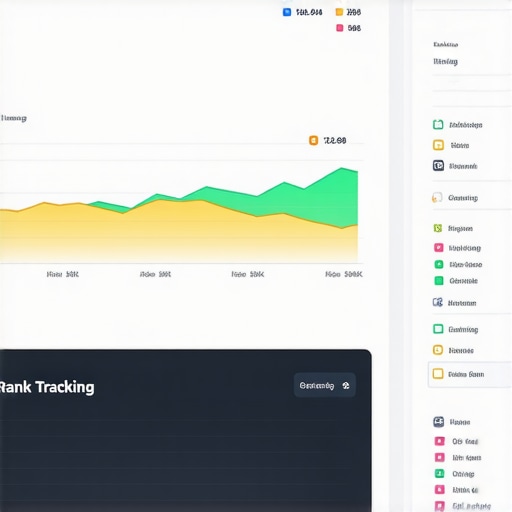
Incorporate structured data markup on your website to enhance your local signals further. For example, implementing schema for local business info can help Google understand your offerings better and improve your map pack performance. Be proactive—regularly review analytics and keep your data fresh. This diligence, combined with powerful tools, is what separates top performers from the rest. To dive deeper into advanced local SEO techniques and stay updated on future trends, explore this resource. Trying out a comprehensive review monitoring tool today could be the game-changer you need for long-term success.
What Secrets Do Top Performers Keep Hidden?
One of the most pivotal lessons I learned was that the real power lies beneath the surface of traditional SEO tactics. While many focus on piling up citations or chasing backlinks, the most successful local businesses leverage behavioral signals—such as user engagement, reviews, and community presence—and understand how these unseen signals influence Google’s map pack rankings. Recognizing the importance of these subtle factors was like discovering an internal compass, guiding my strategies beyond the obvious.
Another critical insight is the *importance of continuous adaptation*. The local SEO landscape evolves rapidly, and what worked last year might be obsolete today. Staying ahead requires an experimental mindset—regularly testing new engagement methods and leveraging data-driven tools to refine your approach. It’s about being proactive in harnessing emerging signals before your competitors catch on.
Finally, I discovered that authentic community involvement creates a sustainable edge. Genuine interactions—such as local collaborations, event sponsorships, and real-time content—not only build trust with your audience but also provide rich signals to Google that your business is a vital part of the community fabric. These lessons taught me that in local SEO, invisibility often results from neglecting the human element, which ultimately drives rankings and long-term success.
My Arsenal for Dominating Local Maps
Throughout my journey, I’ve relied heavily on tools like this comprehensive guide, which distills core strategies for map pack success. For tracking local rankings and insights, this platform offers invaluable data. When it comes to citation management, I incorporate local citation tools that focus on relevance and authority, ensuring my listings remain impactful. And for reputation oversight, this service helps streamline review solicitation and response, making community engagement effortless.
Rise to the Challenge—Your Turn Is Here
If you’re ready to elevate your local map pack game, remember that success hinges on embracing both technical finesse and community authenticity. The landscape is complex, but with a strategic mindset and the right tools, you can uncover growth avenues others overlook. Keep experimenting, stay data-informed, and never underestimate the power of genuine local interactions to transform your rankings. The future of local SEO rewards those who understand the unseen signals that truly influence Google’s map rankings—so start today and watch your visibility soar.
What’s the one key local marketing tactic you plan to implement first? Share your plans below—I’d love to hear your strategies!
,